


Sweden’s automotive aftersales sector is at an inflection point. Electrification is eating into workshop revenue, labour shortages are stretching service teams thin, and customers now expect frictionless, digital experience from their dealer. For dealer groups that haven’t yet modernised their operations, the window to act is narrowing fast.
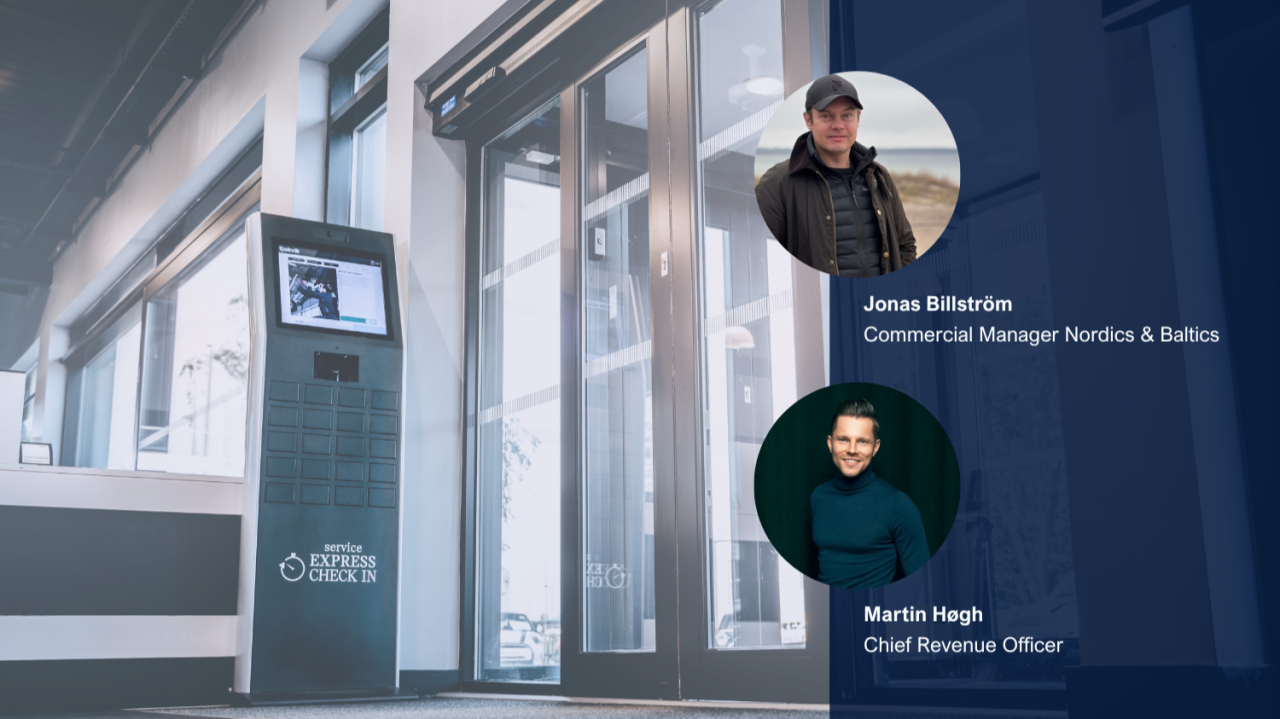
Jonas Billström, Commercial Manager for the Nordics and Baltics at Tjekvik, has spent fifteen years on the workshop floor and another five helping dealers navigate exactly this transformation.
Recently, Tjekvik’s Chief Revenue Officer Martin Nørgaard Høgh sat down with Jonas to talk through what’s really happening on the ground in Sweden. Here’s the hot take 👇
The EV revenue gap is real – and dealers are feeling it
The numbers are sobering. An electric car generates roughly 30 to 40 percent less workshop revenue over its lifetime compared to a combustion engine vehicle. Fewer oil changes, simpler drivetrains, longer service intervals – the traditional aftersales model simply doesn’t transfer wholesale to an EV world.
What the strongest dealers are doing instead is expanding the basket. Tyre hotels, glass and windscreen services, software-related work – these are the revenue streams filling the gap. The logic is straightforward: if the baseline revenue per car is lower, you have to make more of every visit.
And with Sweden’s currency weakening against the dollar and the euro over the past two years driving a surge in used car exports, authorised workshops in some segments are already sitting on only two days of forward bookings. The pressure to maximise each appointment has never been greater.
Consolidation is reshaping the market
Alongside electrification, consolidation is accelerating across Sweden. Groups like Hedin Automotive and Bilia are actively acquiring dealerships – not just domestically but across Europe – while simultaneously expanding into new brands.
The economies of scale available to a large group, from procurement to marketing to digital infrastructure, are increasingly out of reach for smaller independents.
This shift creates both a challenge and an opportunity. For dealer groups scaling across dozens of sites, consistency in the customer experience becomes critical.
Rolling out a uniform digital service flow across 40, 60 or 100 locations is a fundamentally different operational challenge than managing a handful of sites – and it’s one where purpose-built platforms can compress timelines from years to weeks.
Customers expect banking app level standards
Five years ago, a customer at a Swedish dealership would accept a paper form at 7:30 in the morning and a phone call mid-day to approve additional work.
That era is over. Today’s customer expects to check in from home before they leave for work, receive a video during the day to approve any extras, and collect their car after business hours if they choose.
The shift isn’t just about convenience – it’s about transparency. Customers want to see what’s planned for their car, understand what’s being recommended and why, and make decisions on their own terms. Dealers who can deliver that experience are building genuine trust.
Digital self-service handles the straightforward jobs like first services, company cars, or routine maintenance, freeing advisors to spend real time with customers who have complex problems, who need diagnostics explained, who need reassurance.
Labour shortages are a growing struggle
Across the Nordics as elsewhere in Europe, workshops simply cannot recruit enough technicians and service advisors to meet demand. This is a structural constraint that is reshaping how the most forward-thinking operations think about capacity.
Self-service check-in and digital customer journeys are, in this context, as much a workforce strategy as a customer experience one. If you can handle routine interactions digitally, you extend the effective capacity of the team you have. You reduce the dependency on individual employees who happen to know how things are done – a real vulnerability in any manual, process-heavy operation.
New brands, new opportunities
Chinese OEMs – BYD, MG, Xpeng, Leapmotor, Zeekr – are scaling fast in the Nordics. Unlike legacy brands with decades of aftersales infrastructure to unpick, these manufacturers are building their service operations from scratch.
That means digital-first customer journeys can be the default, not the retrofit. For aftersales technology providers, and for dealer groups willing to move early, this is a significant opening.
Getting started is easier than it sounds
For dealer groups weighing up digitisation, the perceived complexity of implementation is often the biggest barrier. In practice, the entry point is low.
A home check-in product like Tjekvik’s – where customers complete their vehicle handover details before arriving – requires no change management at all. It connects to the dealer’s existing DMS via integration, meaning advisors keep working in the systems they know. From signed agreement to live deployment can be a matter of weeks.
The dealers who move first will set the standard that customers come to expect. Those who wait are not preserving the status quo – they are falling further behind it.
For more information contact our Commercial Manager for the Nordics and Baltics at Tjekvik – Jonas Billström here: jonas.billstrom@tjekvik.com